


When you start investing, one of the first things you’ll need to decide is how comfortable you are with taking on risk. But what is investment risk? And how do you determine the right fit for you?
What is Investment Risk?
Investopedia’s definition of risk in finance is “the potential for an investment’s actual returns to differ from expected returns, possibly resulting in a loss.” In other words, risk is about both the potential for returns and the potential for volatility.
How is Risk Measured?
One common way to measure risk is standard deviation, often found on Fund Facts. It measures how much an investment’s returns move up and down around its average. Simply put, it tells you how bumpy the ride has been. The higher the number, the bigger the swings.
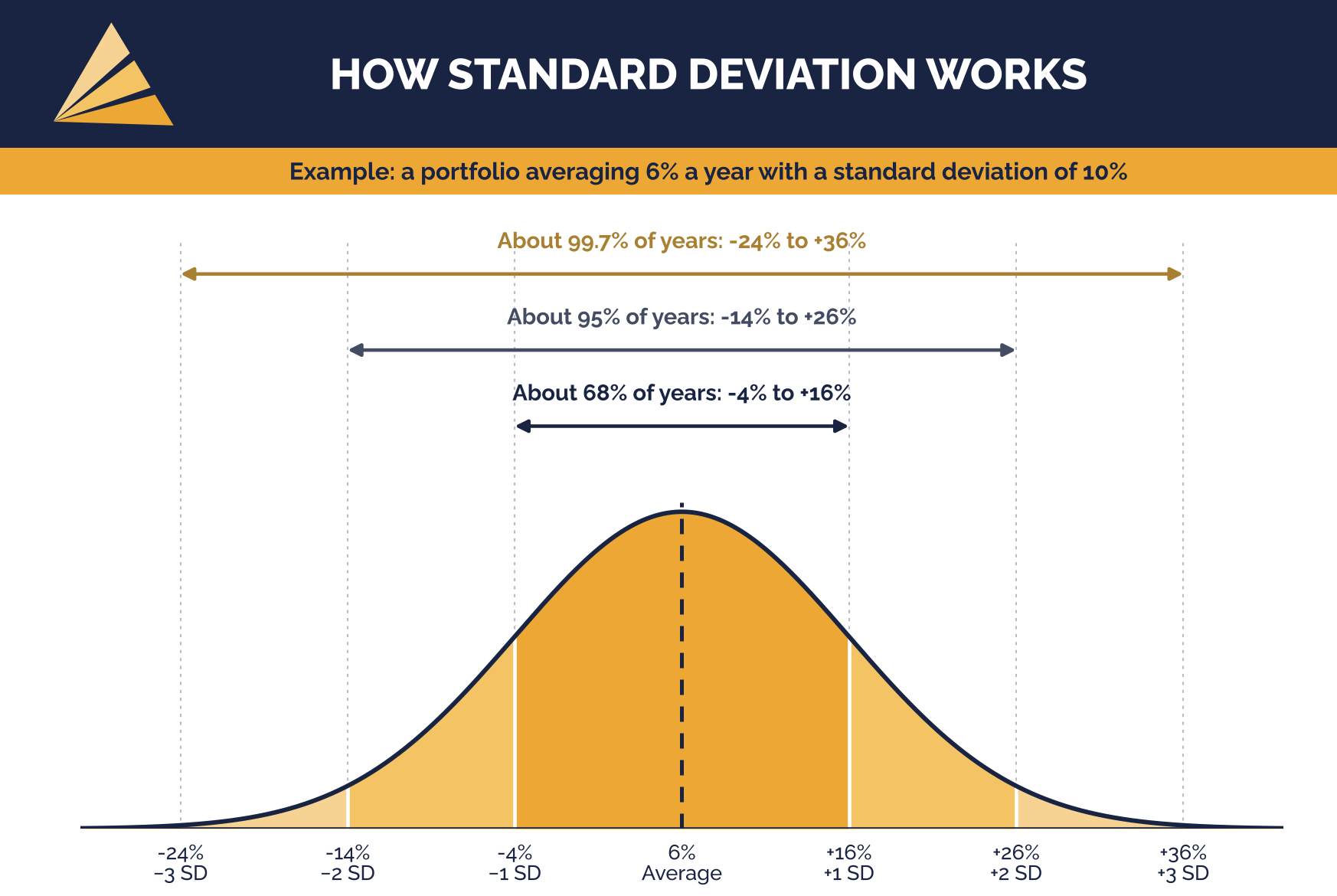
For example, a portfolio averaging 6% a year with a standard deviation of 10% tends to land between -4% and +16% in roughly two out of three years. In fact, the risk rating on Fund Facts is based on standard deviation. So, when you and your Portfolio Manager discuss your risk tolerance, you’re really asking: how big of a swing am I comfortable with?
The Right Fit for You
Investing is personal. Not everyone wants to get to the finish line the same way. Some want a steadier ride with few bumps along the way. Others accept a rockier ride for the chance to end up farther ahead. And many are somewhere in between.
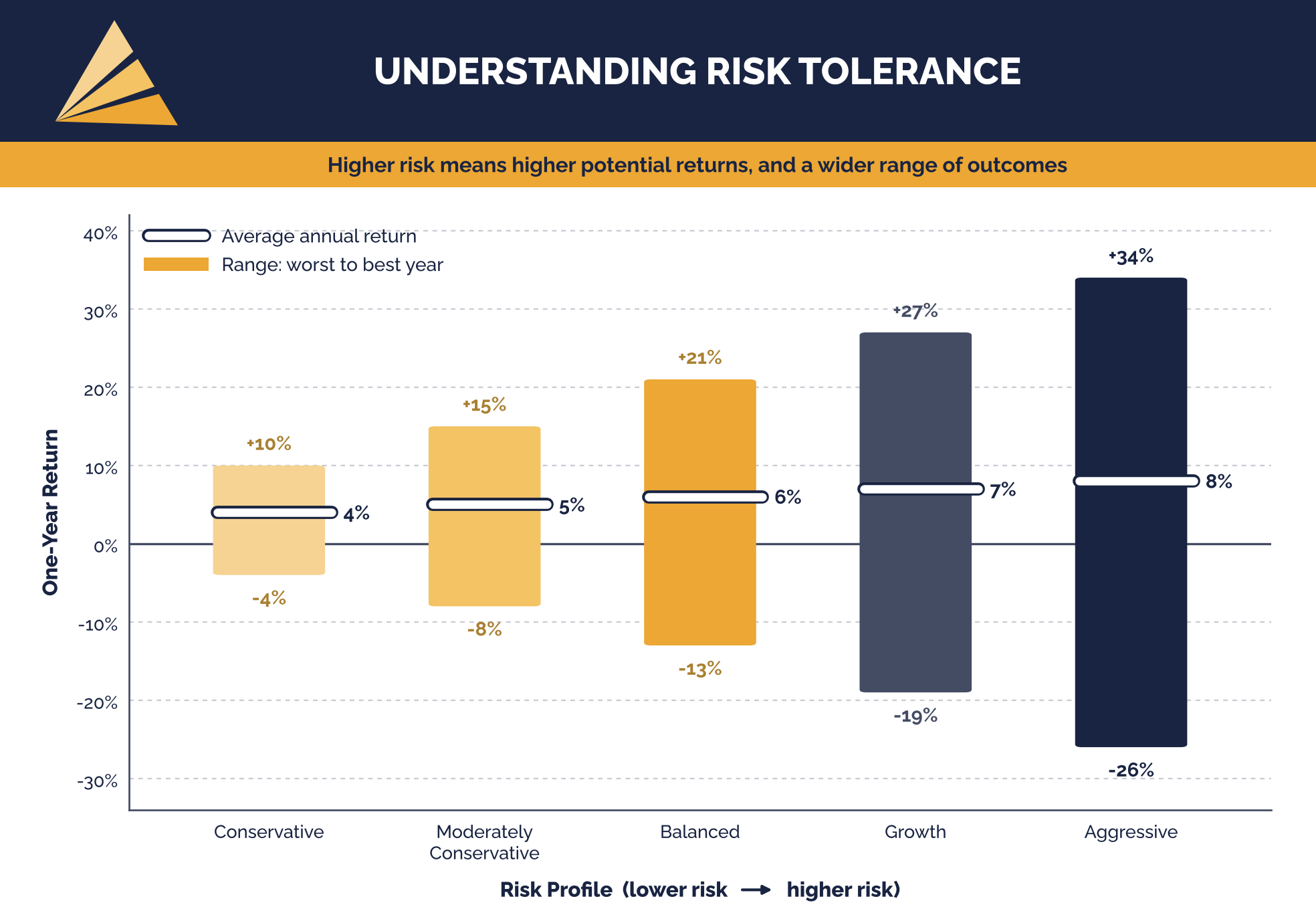
Finding the right fit matters. Too much risk can tempt you to sell during a market drop, locking in losses. Too little, and you may fall short of your goals or inflation.
To determine the right fit, your Portfolio Manager will take the time to learn about you and your situation, including your:
- Comfort level
- Financial goals
- Investment experience
- Investment knowledge
- Age(s)
- Time horizon - When you’ll need the money
- Liquidity concerns - Do you have an emergency fund?
Keep in mind that different accounts may have different risk levels depending on their purpose.
Reevaluating Your Risk Profile
Life doesn’t stay still, so your risk profile should be reviewed regularly. There are four reasons to change it:
- Your Goals Have Changed - The current profile might not fit your new goals.
- Your Time Horizon Has Changed - As you get closer to needing the money, you may want to reduce your risk. If your time horizon gets longer, you may be able to take on more.
- A Major Life Event - Marriage, divorce, a new child, retirement, an inheritance, etc. can change your goals and how much risk you can take on.
- You’re Not Comfortable - If you’re worried about it or cannot sleep at night, it’s not the right fit.
Your Portfolio Manager should be checking in on you and your situation at least annually. But if any of these apply to you, don’t wait. Schedule an appointment to review it.
For strategies that will help you reach your goals, contact KLT Wealth Management.
Courtney Beach, QAFP
This article is for general information only and does not constitute personalized investment advice; the examples shown are hypothetical, and past performance is not indicative of future results.
